Scan to Download
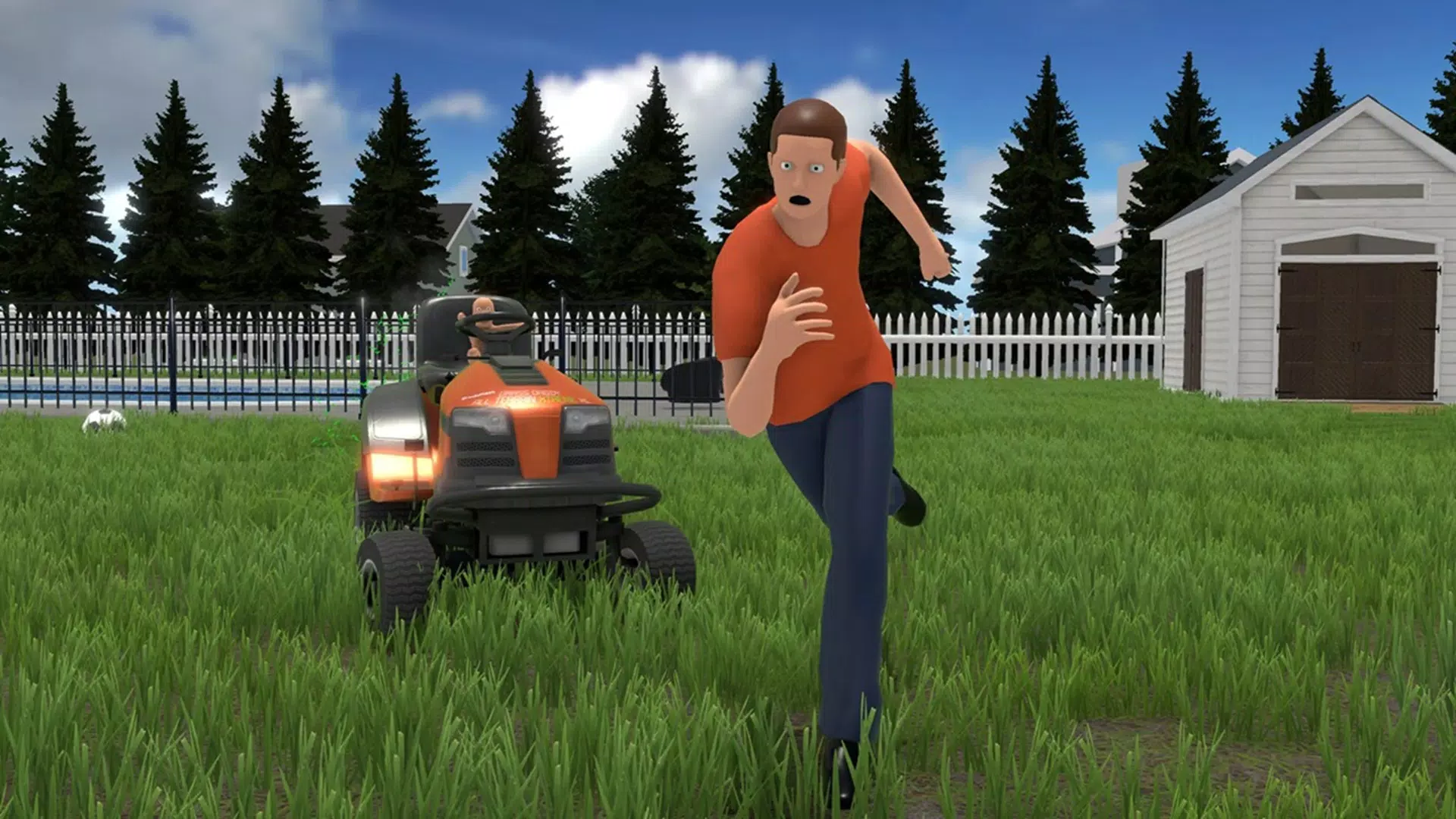
Who's Your Daddy? offers a lighthearted, asymmetric multiplayer experience built for short, repeatable rounds in compact household arenas. In this version the game emphasizes physics-driven interactions and emergent moments: one player defends and prevents hazards while the other experiments with mobility and creative disruption. Matches are designed to be approachable for newcomers while still rewarding quick thinking, improvisation and local teamwork or informal online play.
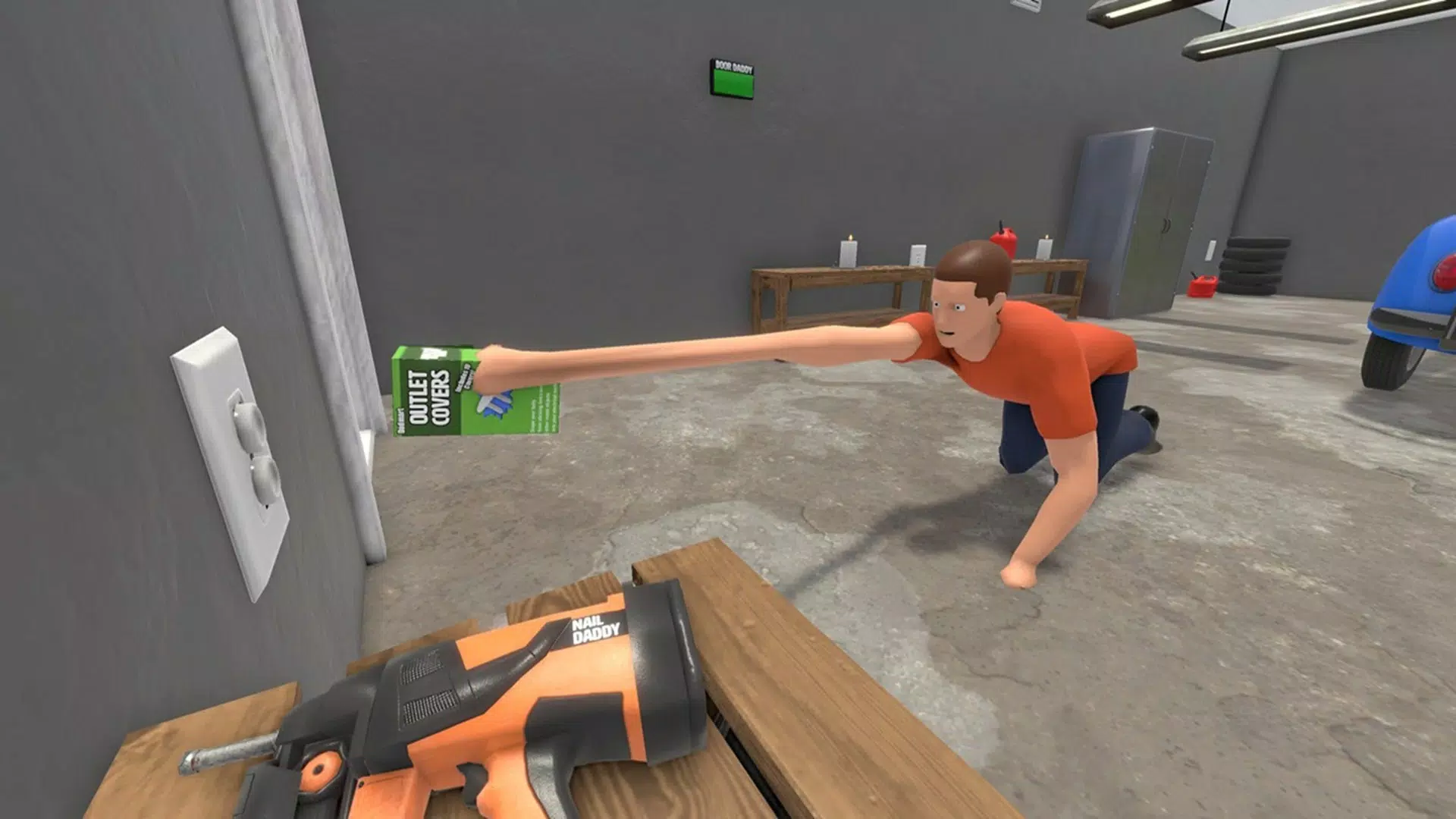
The core loop centers on two opposing objectives: the protector secures rooms and neutralizes dangerous items, and the troublemaker explores the environment to create chaotic outcomes. Interactivity is the main driver — cabinets, appliances, small objects and doors respond realistically to actions and collisions, so the same set of items can produce very different results depending on timing and sequence. Because rounds are intentionally brief, players learn to chain simple interactions into effective tactics: blocking access, staging distractions, or triggering environmental reactions that change the flow of play.
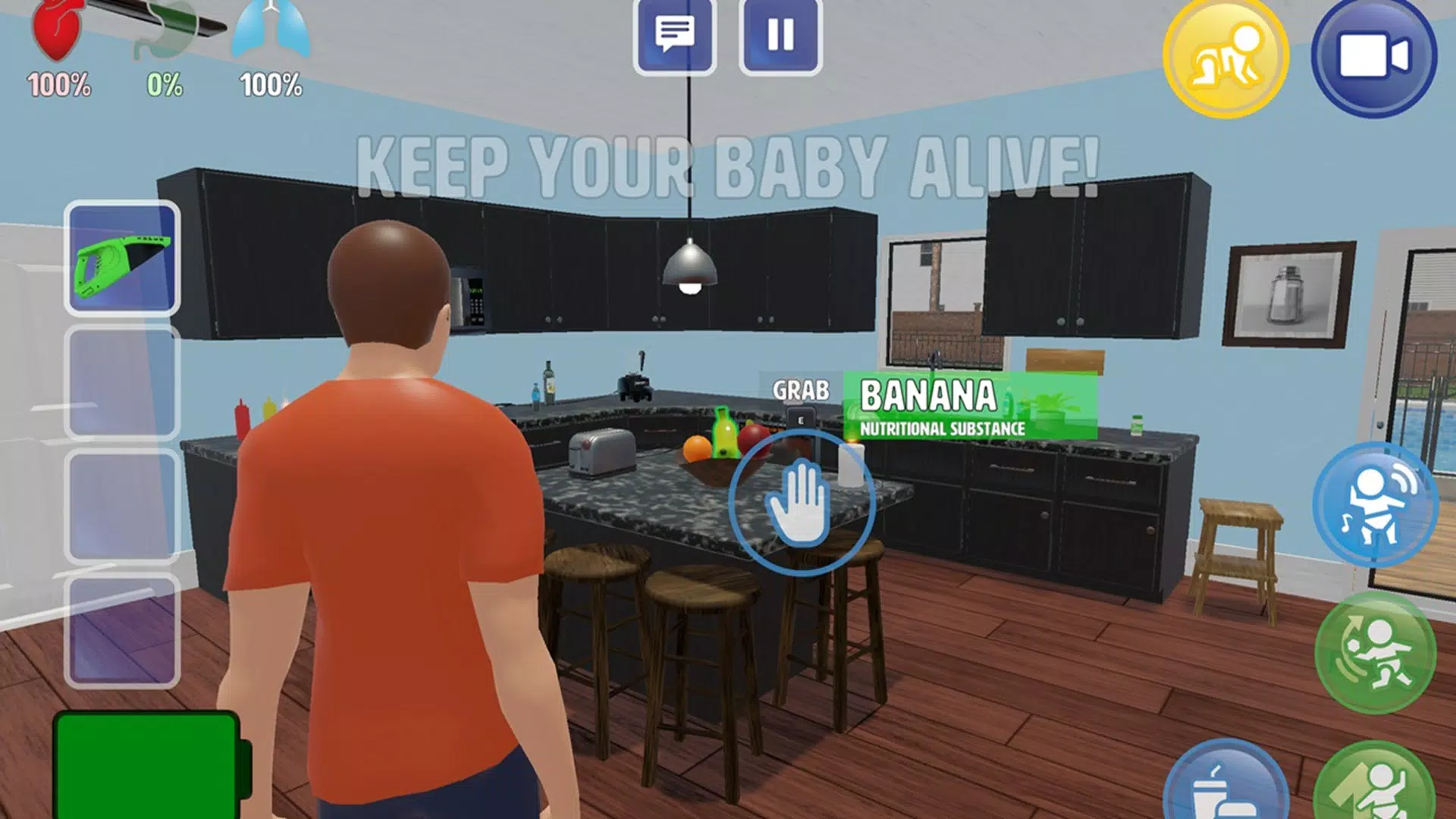
Levels are compact, readable household-themed maps that favor multiple access points, narrow corridors and clusters of interactive clutter. Designers focused on density rather than scale, so players encounter meaningful choices quickly: which room to prioritize, which item to disable first, and when to commit to a risky play. Map variants include living spaces, kitchens and other domestic setups with modular hazards that can be toggled for quieter or more chaotic matches. These constrained arenas produce predictable sight lines while still permitting creative paths and surprise interactions.
Controls are intentionally simple to keep attention on positioning and timing instead of complex inputs. Movement, interaction and basic object handling map to a concise set of buttons or touch targets so players can focus on improvisation. On touch devices the interface adapts for quick taps and drag-gestures to manipulate objects, while controller or keyboard schemes provide responsive mapping for players who prefer those inputs. Optimizations prioritize consistent frame rates and clear hit detection so physics outcomes feel fair and readable across a broad range of hardware.
Progression in Who's Your Daddy? is lightweight and centered on customization rather than grind. Instead of deep unlock trees, the emphasis is on match settings and cosmetic personalization that do not alter core balance. Players can adjust round length, hazard availability, starting positions and other modular rules to create different experiences. Visual tweaks such as simple character skins or color variants let groups personalize matches without affecting gameplay, while saved presets make it easy to recreate preferred rule sets for future sessions.
Replayability arises from emergent interactions and the wide range of decisions possible in compact arenas. The same map can yield very different rounds when players change priorities or exploit subtle physics interactions. Lightweight challenge systems — like optional time limits, restricted item lists or handicap settings — enable groups to raise the difficulty without introducing artificial progression gates. Many players naturally experiment with house rules to invent new objectives, which extends longevity through player-driven variation.
The visual approach favors clarity and a slightly stylized, cartoon-leaning aesthetic. Readable silhouettes and distinct object colors help players quickly identify hazards and navigation routes during chaotic moments. Art and UI choices prioritize contrast and legibility so split-second decisions are informed by clean visual cues rather than clutter. This style also supports consistent performance on mid-range devices while preserving the game’s light, comedic tone.
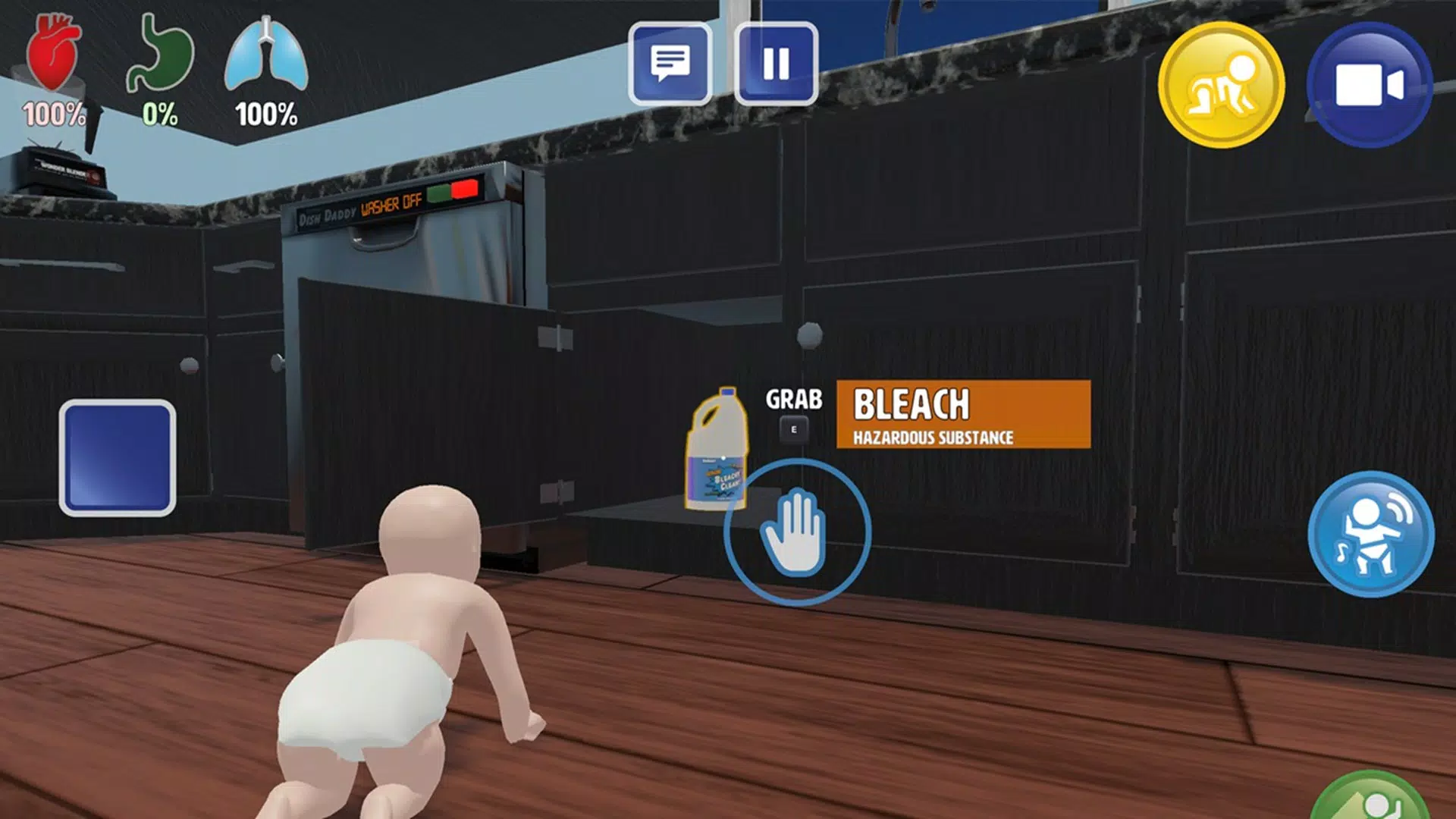
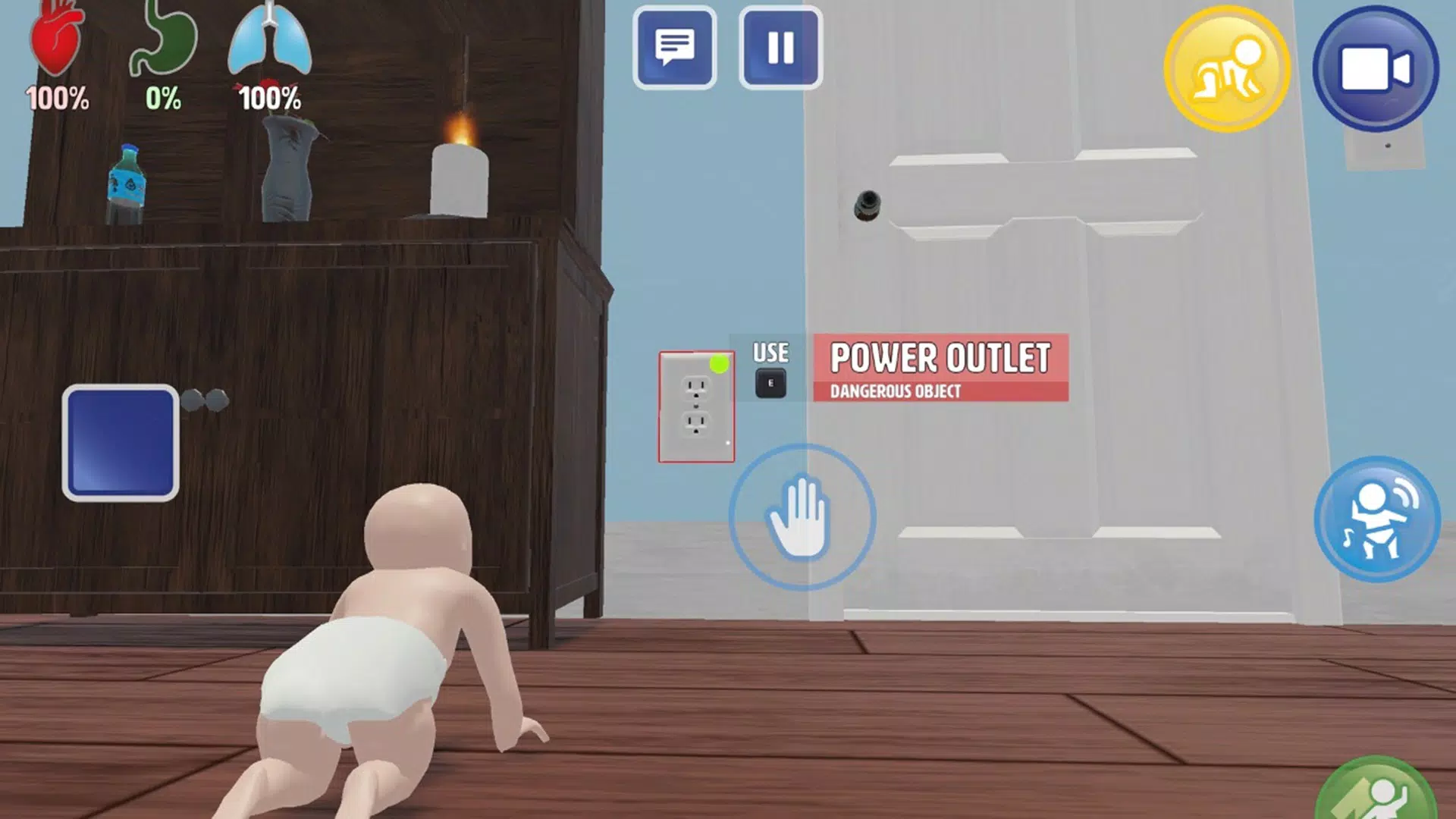
Accessibility features are integrated into the design: forgiving control options, contextual tooltips that explain interactive objects, and adjustable difficulty or rule toggles help new players learn without frustration. For users without reliable online connectivity, local play and single-player matches against configurable AI provide solid practice opportunities. The UI focuses on ease of entry — clear prompts, short tutorials and match presets let groups start playing quickly while offering depth for players who experiment with advanced tactics.
New players should begin with relaxed rounds using default settings to learn common object behaviors and map geometry. Invite friends for local matches or quick online sessions, and try toggling hazards or moving starting positions to see how small rule changes shift strategy. Who's Your Daddy? encourages curiosity: short rounds let you test ideas often, and simple customization makes it easy to craft sessions that match your group’s preferred pace and challenge level.
File size: 142.30 M Latest Version: 1.5
Requirements: Android Language: English
Votes: 196 Package ID: com.gt.virtual.tiger.family.simulator.wildgames
Developer: Do Fit Games Ltd




Best Free Strategy Necessary Games for Android
Become the leader of your own thriving settlement in this addictive new strategy game. Build and customize homes, shops, farms and more to expand your village. Manage resources carefully to keep your people happy and productive. Send explorers on missions to find valuable loot and artifacts. Defend against raider attacks with walls, traps and an army of your own. With randomly generated maps and emergent gameplay, no two games are the same.






LIVE A HERO
Retro Hero Mr Kim
Empire of Passion
Arcane Quest Legends
Magic Snap: Momotaro
AllStar Manga Heroes
Lunescape
ONE PIECE Thousand Storm JP
Tap Titans 2