Scan to Download
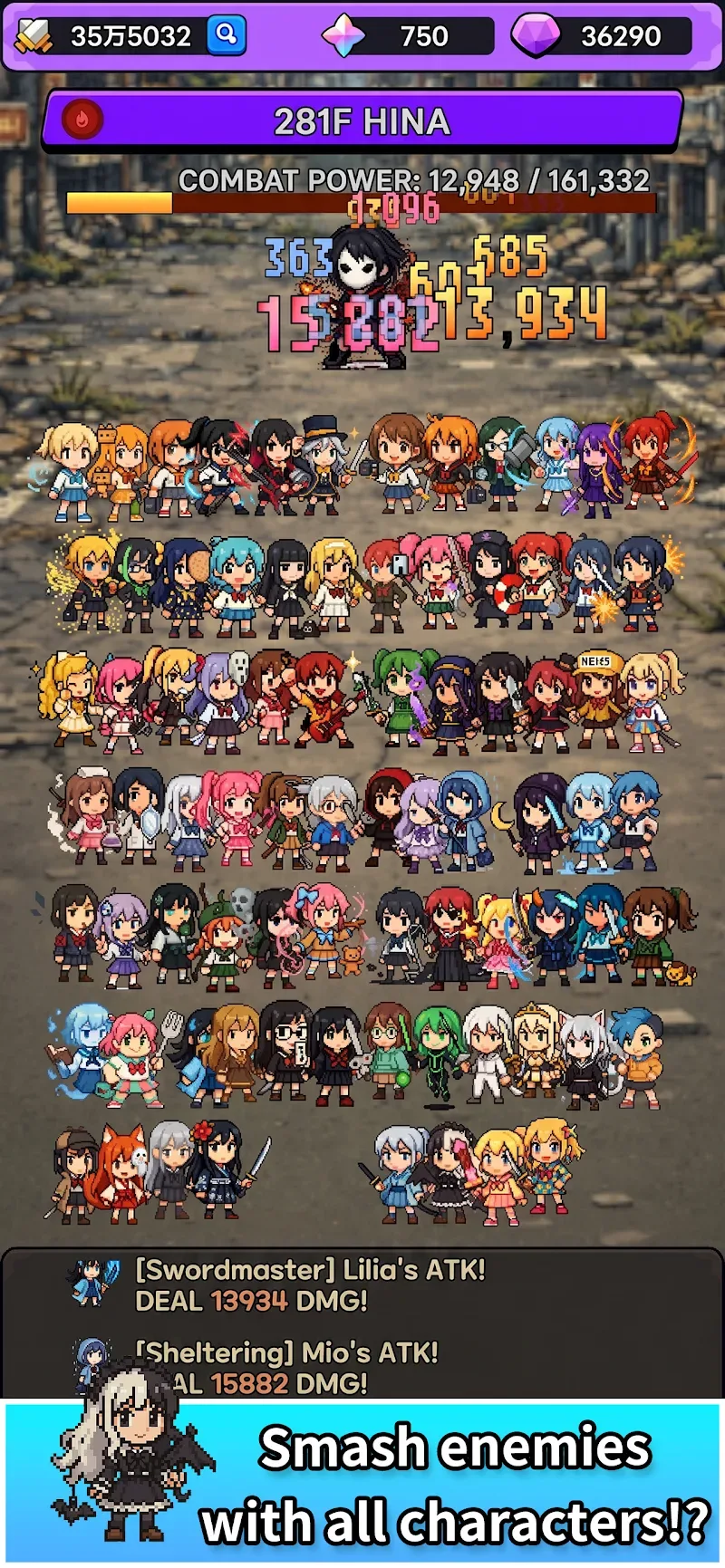
Tokyo After School Pixel Blade is a compact, action-focused pixel rogue-lite set in neon Tokyo. Tokyo After School Pixel Blade blends short tense runs, melee combat, and progression systems. Tokyo After School Pixel Blade drops players into after-hours streets where quick decisions matter and character growth persists.
The core loop emphasizes many short, consequential sessions. Each attempt places you in procedurally generated districts where layout, enemy placement, and hazards change from run to run. These runs are designed to be brief but meaningful: you explore branching corridors, face miniboss encounters, collect gear, and return to a hub to spend resources on permanent upgrades that alter future runs in clear, measurable ways.
Combat favors timing, positioning, and momentum over button-mashing. Melee attacks, directional dodges, and a compact ability system create a rhythm of approach, evade, and strike. Weapons have distinct feel and trade-offs: light blades reward speed and combos, while heavier arms give reach and control at slower cadence. Successful hits charge special moves, opening short windows for follow-ups that can reverse tight situations.
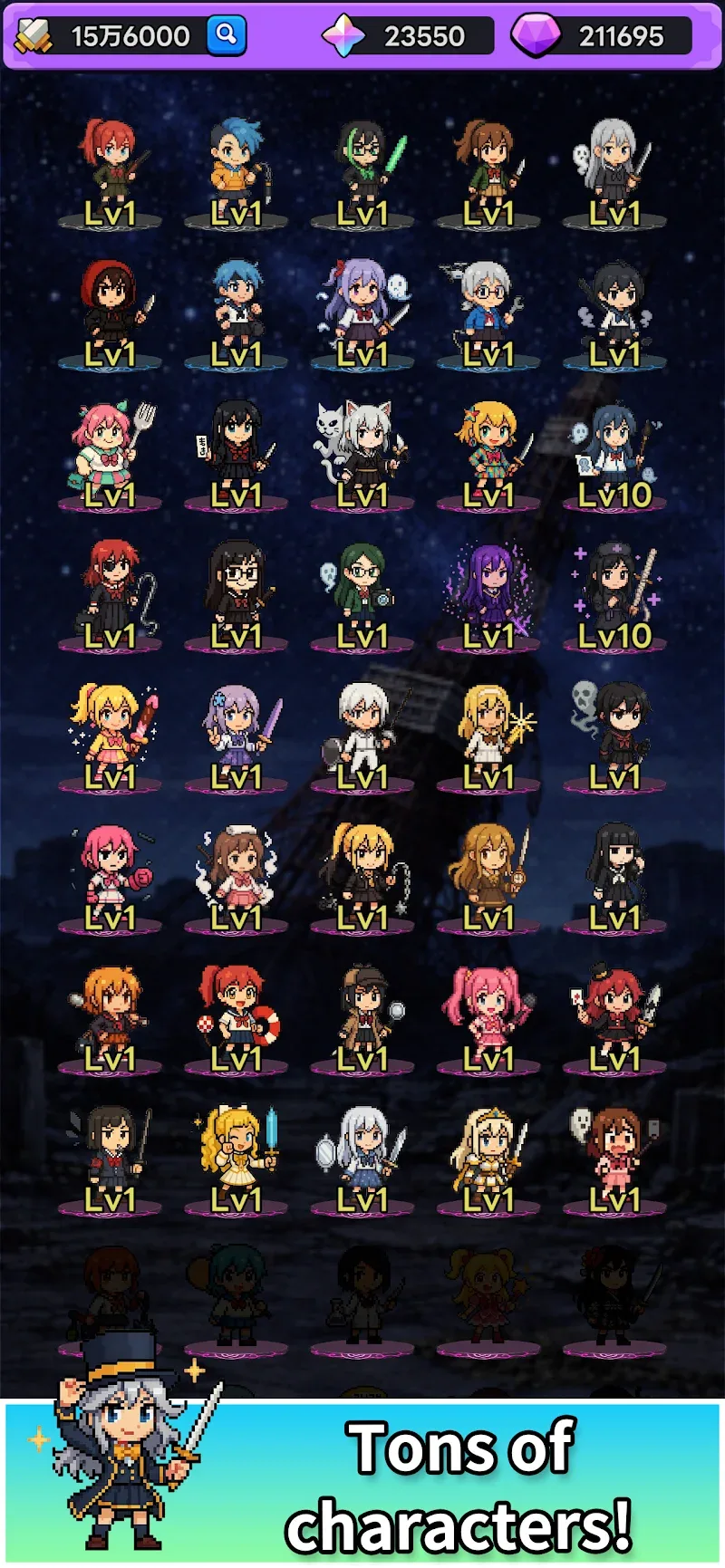
Progression works across short-term run choices and long-term investment. Characters gain permanent stat growth and unlock traits as you use them, while equipment and temporary run buffs modify immediate capability. Recruitable allies contribute passive boosts or active supports that complement the lead character; experimenting with small rosters and testing different pairings is central to evolving effective builds over multiple runs.
Levels are dense and focused, offering branching paths, optional objectives, and risk-reward choices that invite tactical decision-making. District themes shift from neon alleys to abandoned arcades, each introducing distinct hazards and enemy archetypes that encourage adapting playstyle. Procedural variation paired with daily modifiers and optional challenge modes keeps encounters fresh and supports repeated short sessions for practice and mastery.
Loadouts are substantive and affect play patterns: weapon archetypes, passive supports from allies, and equippable items each influence how a character performs in combat. Cosmetic options let you customize appearances without altering balance. The game encourages trying different combinations so you can shape playstyles such as hit-and-run skirmisher, area-control bruiser, or a support-oriented build focused on synergies between companions and equipment.
Designed primarily for touchscreens, controls are responsive with clear visual cues and tactile feedback for attacks and dodges. Virtual sticks and buttons can be remapped and positioned for left- or right-handed players, while adjustable input sensitivity helps match varied grip styles. Performance options let you favor visual quality or battery life; on most modern Android devices the game maintains consistent frame pacing and input responsiveness for tight action.
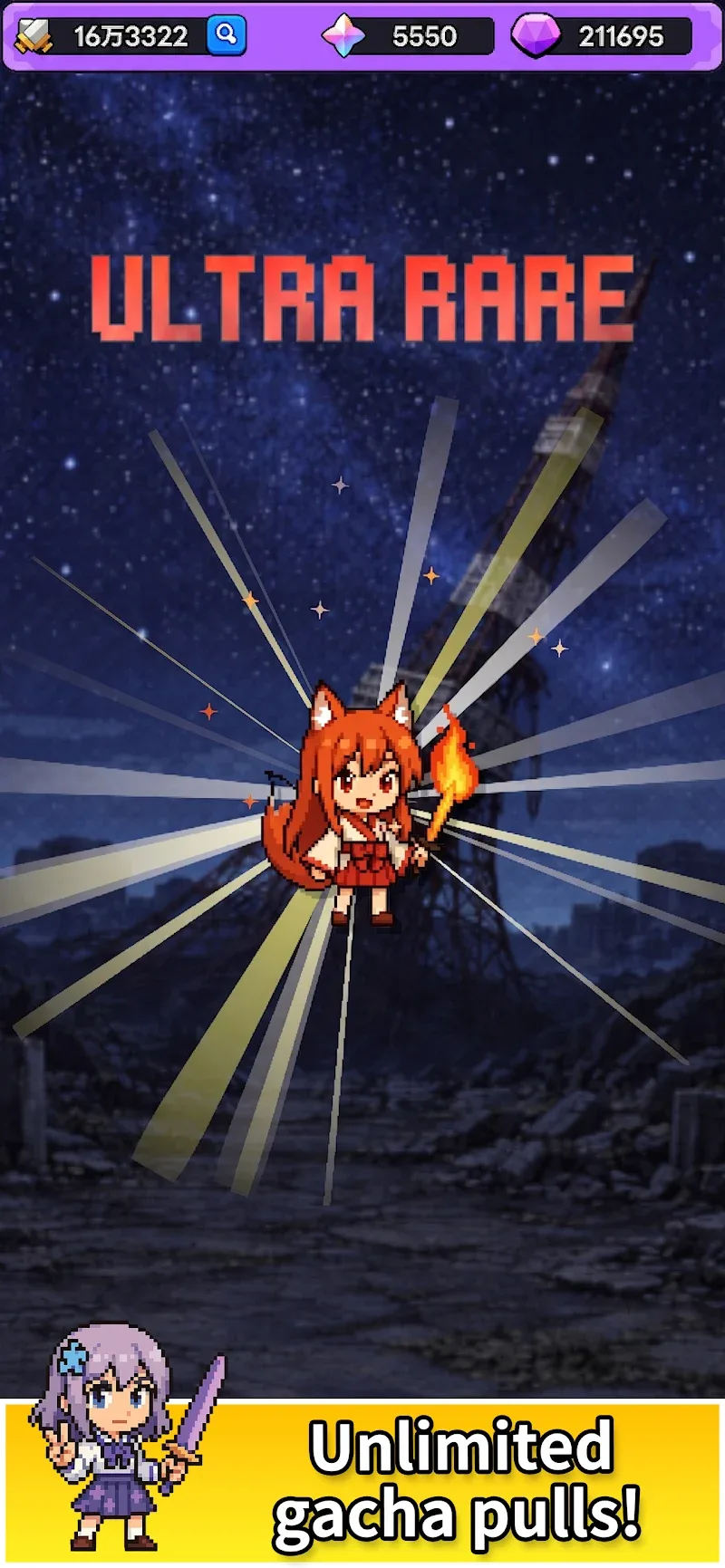
The pixel art emphasizes contrast and neon palettes to evoke a moody urban nightscape. Character sprites deliver expressive motion within a compact resolution, and particle effects highlight weapon strikes and special abilities. A soundtrack of electronic beats and atmospheric interludes supports both tense combat and quieter hub exploration, reinforcing tone while keeping audio cues clear for gameplay feedback.
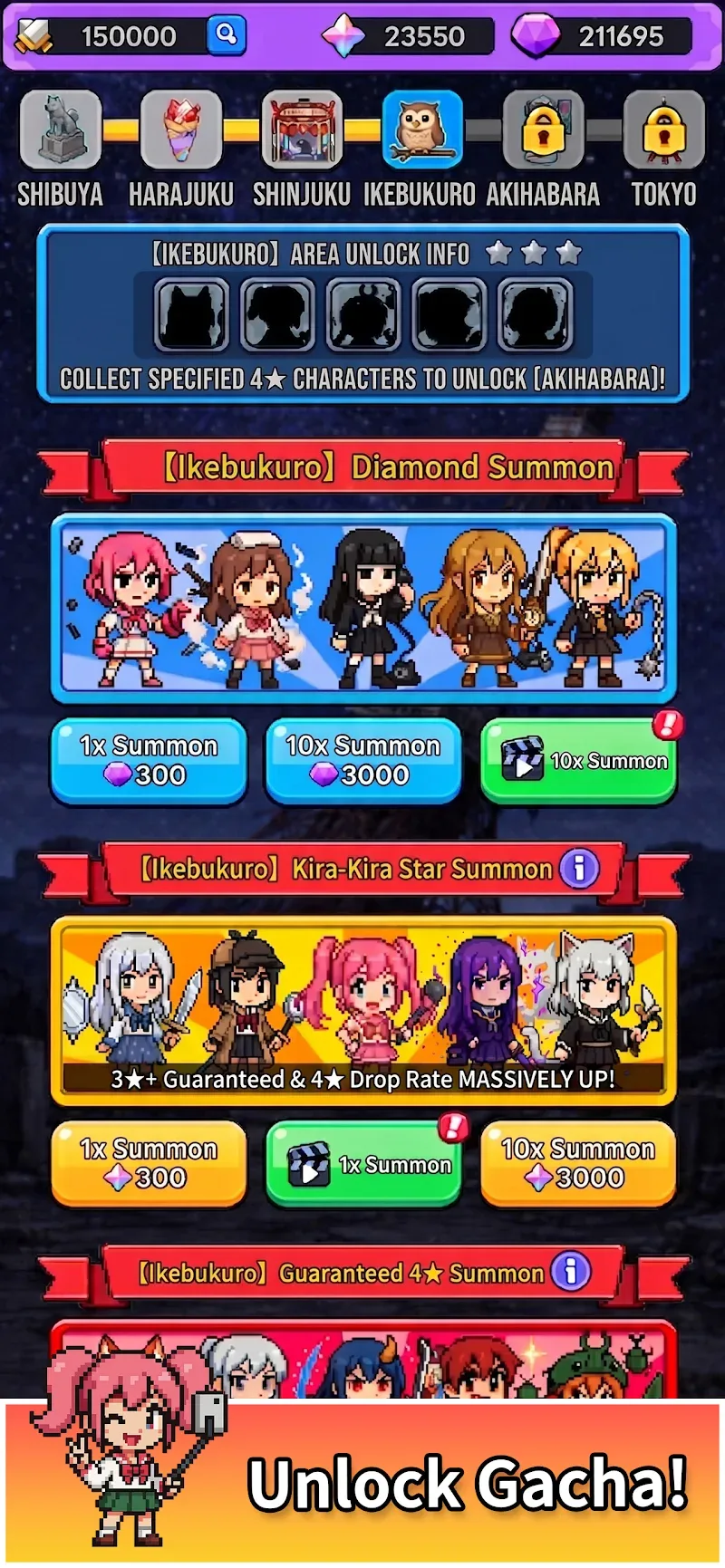
Currency and materials gathered during runs can be spent on permanent upgrades, new weapons, and cosmetics, and occasional vendors present trade-offs that test priorities. A modest crafting or enhancement system lets you strengthen favored gear without forcing excessive grinding. The economy is tuned to reward careful play and repeated attempts, offering satisfying progression that balances immediate power spikes with long-term growth.
Optional modifiers and challenge modes let players scale difficulty to preferred tension and reward. Hints and gradual tutorials introduce mechanics without overwhelming new players, while concise HUD and readable upgrade screens help you make quick decisions between runs. The interface prioritizes clarity so short sessions stay focused on action and meaningful customization rather than micromanagement.
Many core features work offline so sessions are suitable for commuting or short breaks without a network connection. Adjustable text size, control layout, and visual intensity options make the experience more approachable for a wider audience, and the game preserves mechanical depth for players who enjoy precise timing. Save states and quick resume features help keep run-based progression convenient on the go.
New players are encouraged to pick one weapon archetype and practice spacing and dodge timing in short runs. Use early attempts to gather resources for hub upgrades that meaningfully increase survivability, and try different companion pairings to discover useful synergies. Expect early setbacks as part of learning; the design rewards adaptation, experimentation, and gradual investment rather than single-run perfection.
File size: 114.00 M Latest Version: 1.0.5
Requirements: Android Language: English
Votes: 389 Package ID: tokyo-after-school-pixel-blade
Developer: Just Idea
Best Free Arcade Games to Play on Android
Recapture the magic of classic gaming with our new fast-paced arcade extravaganza! Simple and addictive, get ready for high scores galore. With bright retro graphics and pulse-pounding beats, it’s nonstop action right from the start. Tap into your reflexes and dexterity to overcome high-speed challenges. Face off against devious enemies and formidable bosses. Unlock new levels, power-ups and secrets as you advance.




LIVE A HERO
Retro Hero Mr Kim
Empire of Passion
Arcane Quest Legends
Magic Snap: Momotaro
AllStar Manga Heroes
Lunescape
ONE PIECE Thousand Storm JP
Tap Titans 2