Scan to Download
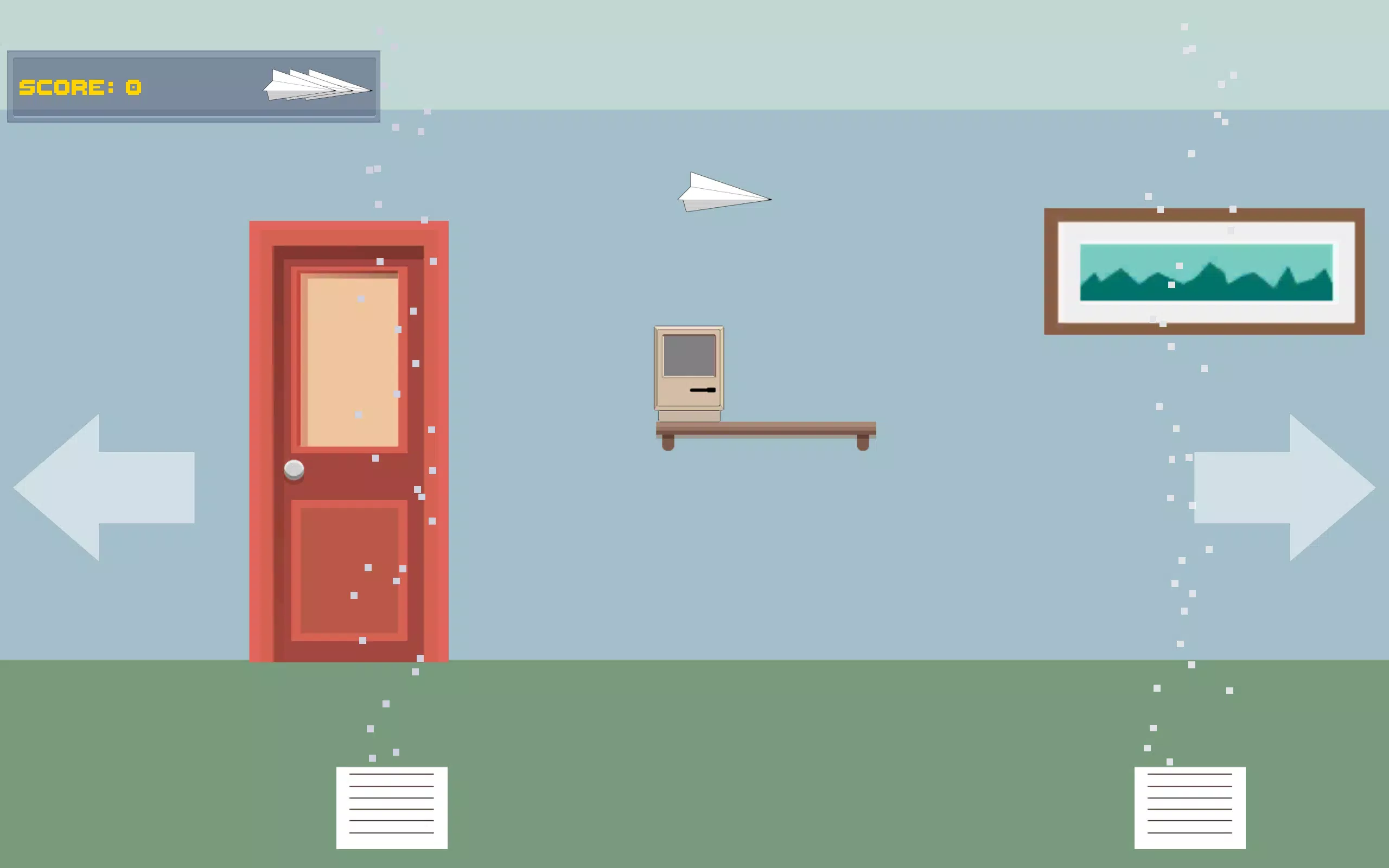
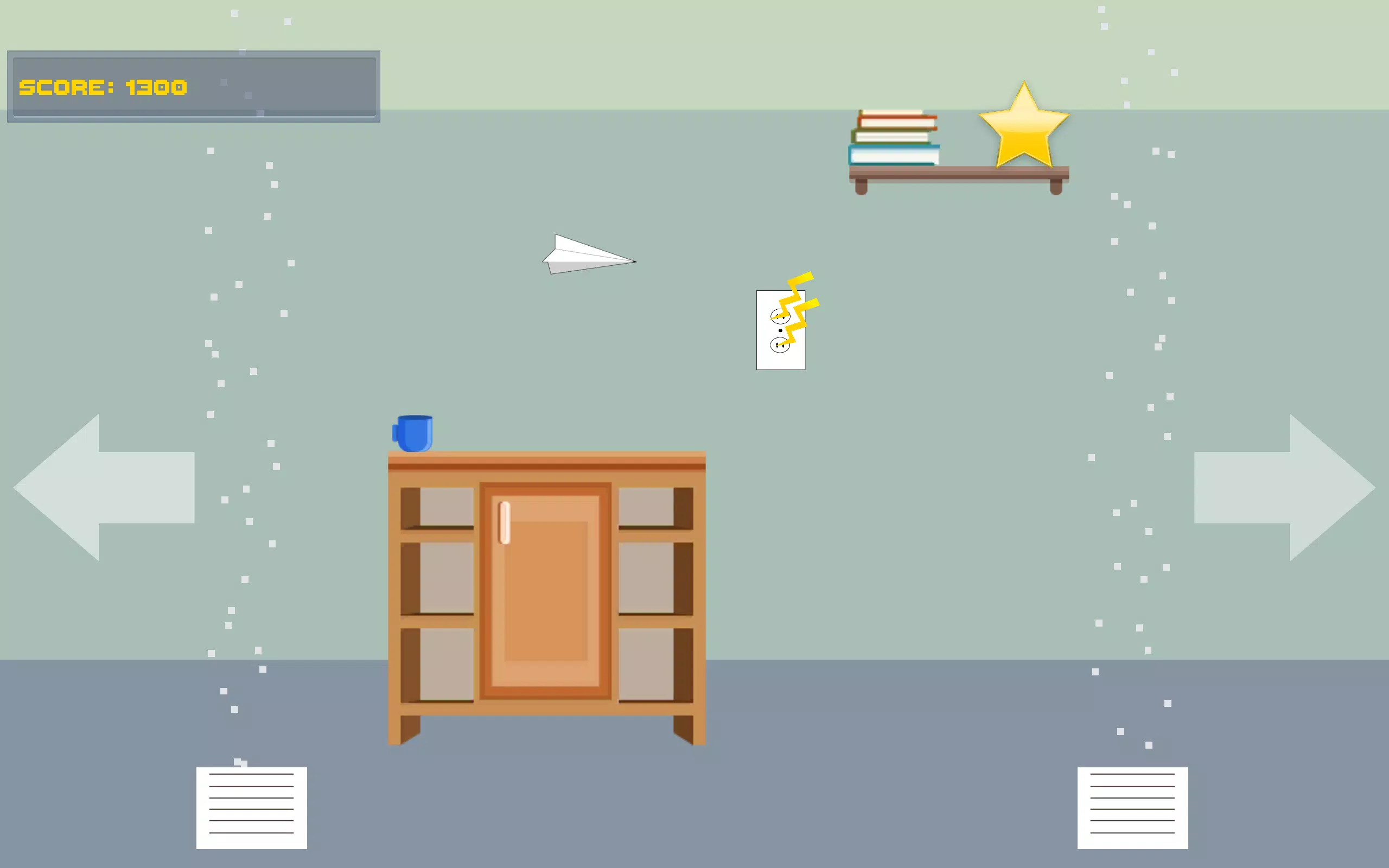
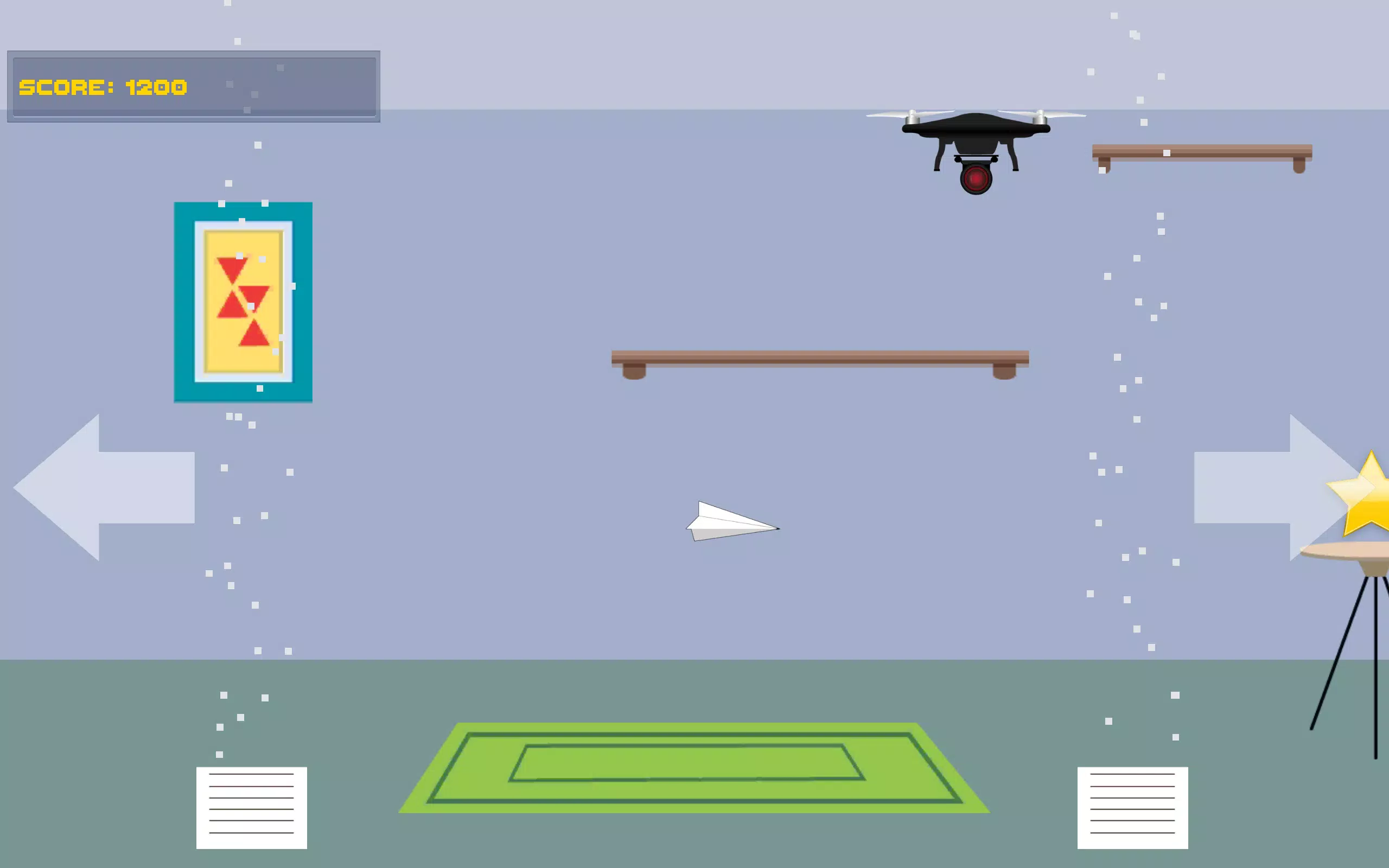
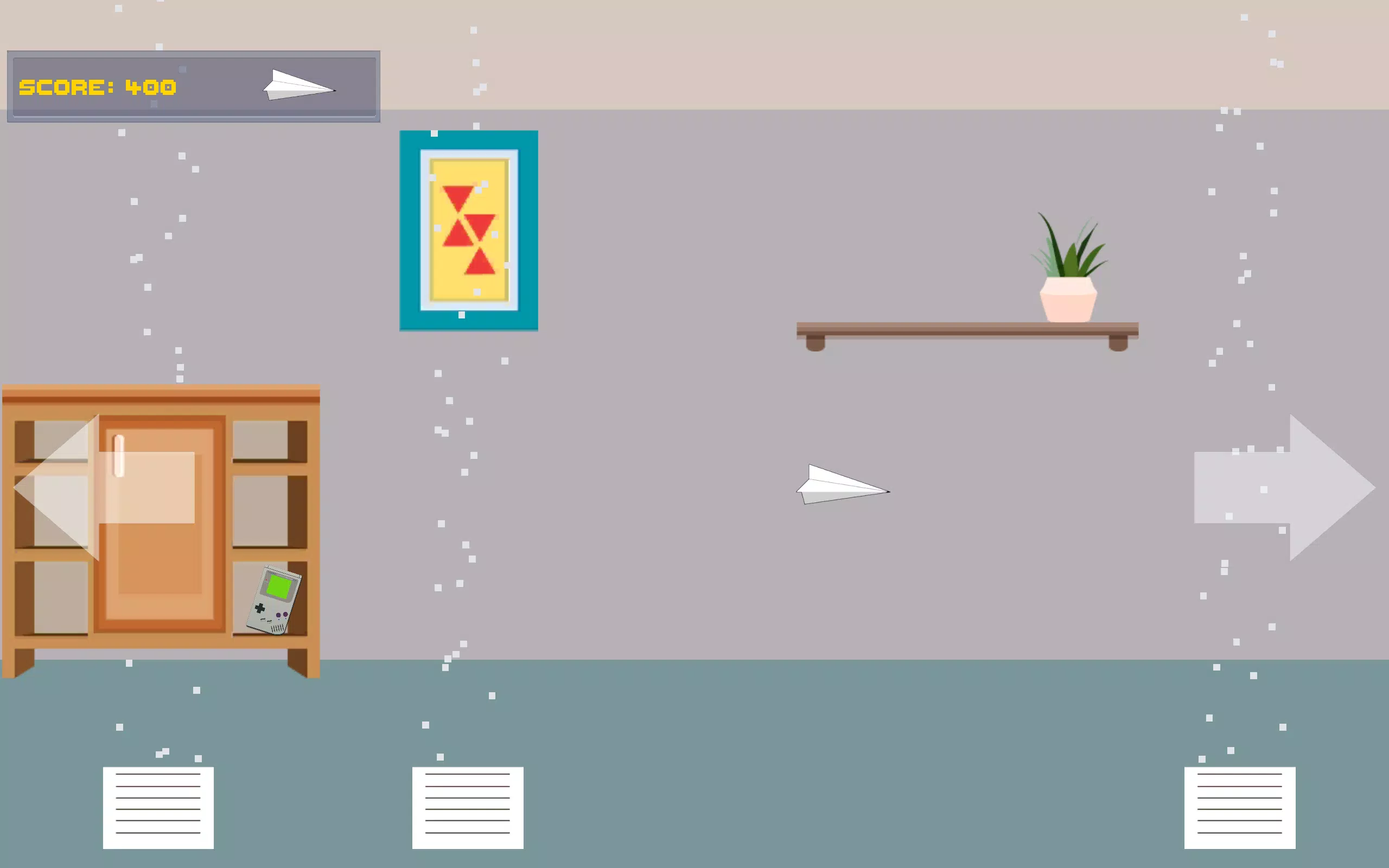
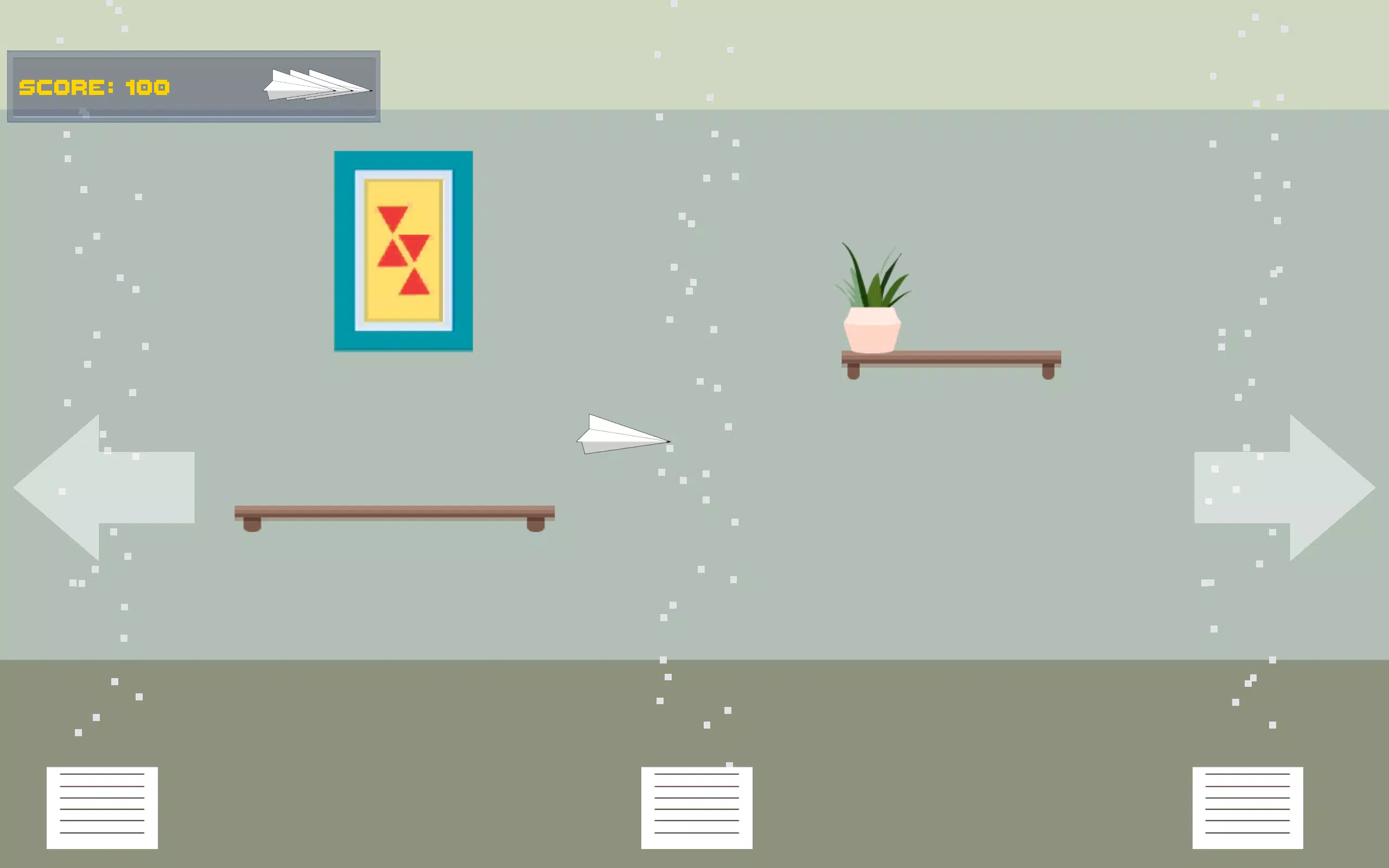
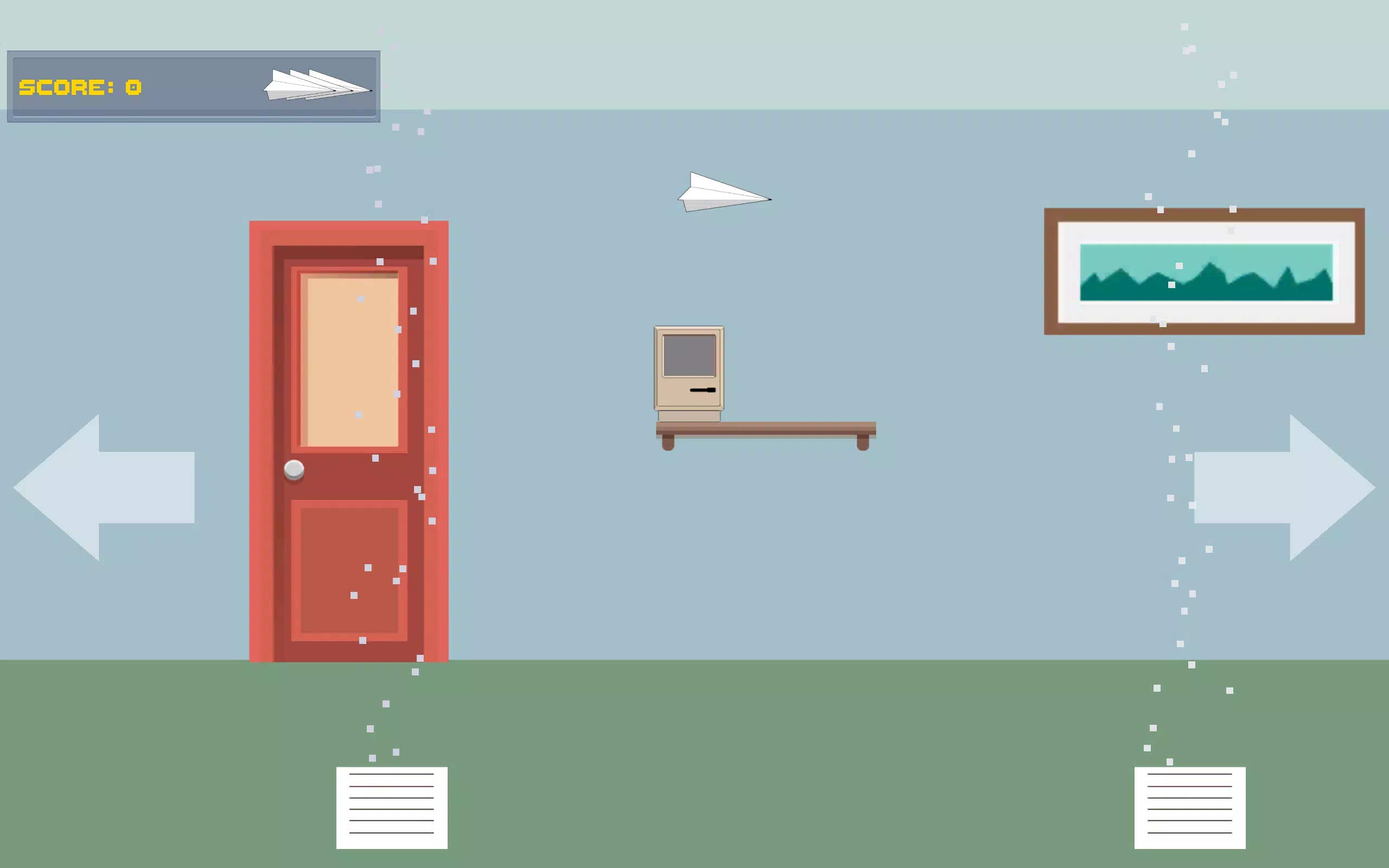
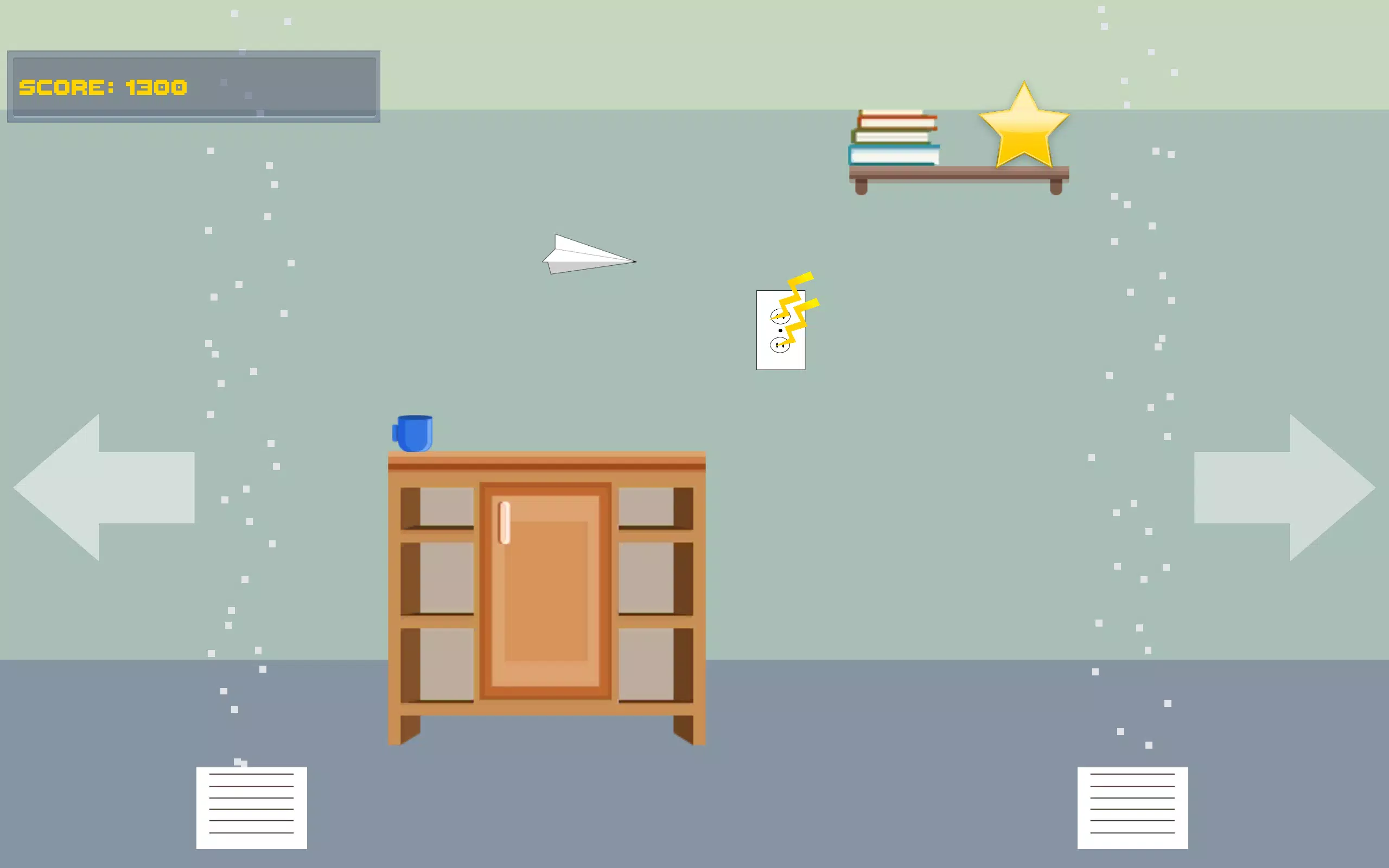
Paper Pilot places you behind a fragile paper glider navigating the interior of a home in a compact action-puzzle experience that rewards precise timing and flight control. In Paper Pilot you guide a powerless plane through bedrooms, living areas and study spaces filled with furniture, balloons, drones, outlets and other everyday hazards while collecting scattered stars for extra points. The design mixes gentle retro visuals with tight mechanics: the glider slowly loses altitude without engine thrust, so learning to use gusts from floor vents is essential to stay aloft and thread narrow passages.
The core of the experience centers on wind-based flight and collision avoidance. Altitude decays naturally as the paper plane drifts, so players must ride rising air from floor vents and time lateral movements to catch brief lifts. Objects such as computers, books and plants create layered obstacles that encourage route planning and short bursts of precise steering rather than free-form aerobatics. Collectible stars are placed to reward exploration and risk-taking: reaching tucked-away pockets of lift or squeezing between obstacles yields higher scores and a stronger sense of accomplishment.
Controls are intentionally simple, focused on left and right steering to keep the learning curve approachable while still offering depth through timing and positioning. The interface supports responsive virtual controls and touch taps that emphasize immediate feedback, and sensitivity can be adjusted so new players can settle in without feeling overwhelmed. Optional assist settings reduce steering drift and extend leniency on stall recovery; these options help players with different motor skills enjoy the mechanics without changing the underlying challenge.
Progression is driven by room-based stages that gradually introduce new hazards and tighter layouts. Early rooms serve as practice spaces for vent timing and basic navigation, while later areas layer moving elements like drones or floating balloons that change lift patterns. Stars act as both score markers and progression incentives: collecting more stars opens additional rooms or optional challenge variations, encouraging players to revisit earlier levels and improve their routes rather than simply rushing forward.
The visual presentation leans on a retro-inspired aesthetic with warm tones and simple, readable silhouettes that make obstacles obvious at a glance. Subtle animations and paper-like textures give the glider character without distracting from play, and the user interface stays unobtrusive to keep attention on flight lines. Audio is sparse and functional: soft environmental cues and small chimes for star pickups provide useful feedback that complements the tactile feel of steering and wind shifts.
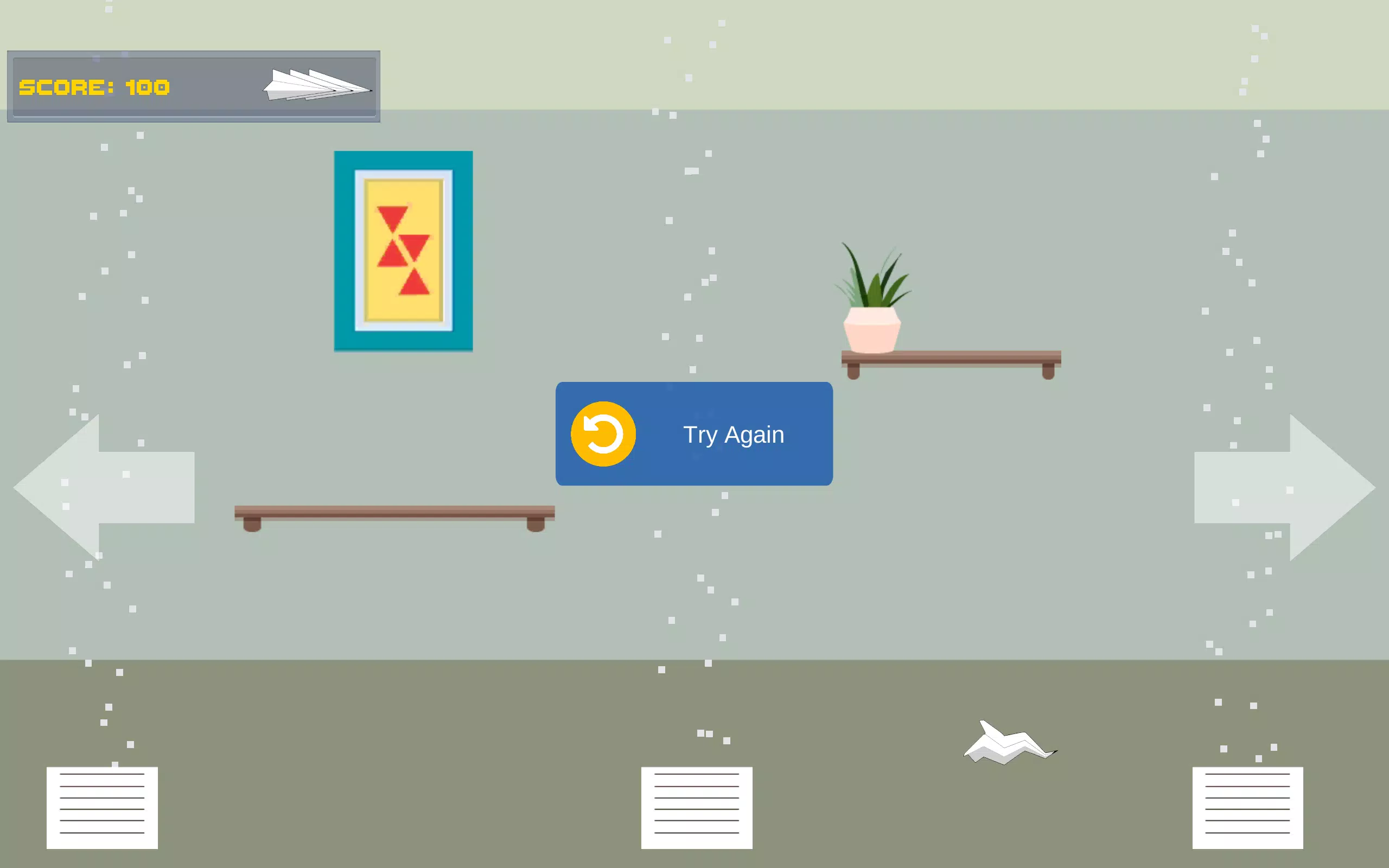
Difficulty increases through denser obstacle placement and more unpredictable wind patterns rather than artificial stat inflation. Collisions are punishing by design—impact results in an immediate crash—so mastering timing and anticipating gusts is central to success. This makes the game rewarding for players who enjoy skill-based improvement; short, repeatable sessions let you practice a single tricky sequence until it clicks. Optional challenge rooms offer tighter constraints for players seeking higher difficulty and score competition with themselves.
Replayability comes from multiple small systems working together: star-focused objectives encourage exploration, optional routes and hidden lift sources invite experimentation, and modest cosmetic options let players personalize the plane’s paper pattern as they accumulate progress. Because levels are compact and self-contained, trying to improve a star count or discover an alternate path feels like a natural part of replay rather than a grind. Timed runs, higher-star goals and route optimization provide clear, achievable reasons to replay rooms.
The game is built for short sessions on mobile devices: launches are quick, menus are minimal, and a single run typically lasts a minute or two depending on skill and objectives. Controls respond immediately and the camera framing keeps the nearby environment visible so players can plan moves a few seconds ahead. Paper Pilot’s interface prioritizes clarity over complexity, which helps both new and experienced players focus on mastering wind and steering mechanics without unnecessary distractions.
Designed for local, single-player play, the experience works well in offline mode and is suited to environments where connectivity is limited. Visual clarity, adjustable control sensitivity and optional assistive toggles aim to make the game approachable to a wider audience. Performance is tuned for battery-friendly sessions on a range of devices so short bursts of practice are convenient and consistent.
Overall, Paper Pilot offers a focused, tactile flight challenge that blends nostalgic presentation with modern mobile design. Players who enjoy learning precise input timing and exploring compact levels will find the combination of vent-based lift, collectible goals and layered obstacles a satisfying, replayable pastime.
File size: 0.00 M Latest Version: 1.0.2
Requirements: Android Language: English
Votes: 482 Package ID: com.ogien.gliderdash
Developer: 3583 Bytes

Must Have Puzzle Games for Android
Are you searching for an enjoyable method to strengthen your intellect? Our hottest logical puzzle is tailor-made to offer a stress-free pastime experience. With beautiful graphics and chill background music, you can immerse yourself in an engaging world of logic and critical thinking. Solve increasingly tricky levels at your own pace, with no time pressure or lives system.



LIVE A HERO
Retro Hero Mr Kim
Empire of Passion
Arcane Quest Legends
Magic Snap: Momotaro
AllStar Manga Heroes
Lunescape
ONE PIECE Thousand Storm JP
Tap Titans 2